Services
.NET Development and Implementation — Custom CMS implementations built for complex content problems.
Development isn't just writing code. It's translating strategy into a system your team can use.
The problem.
You've got a content model defined, a CMS selected, and a design direction approved. Now someone needs to build it — and "build it" means more than assembling components. It means configuring a CMS that your editors can actually use, integrating with the systems your organization depends on, and making sure the technical decisions support the content strategy rather than undermining it.
The solution.
The best implementations happen when the development team understands not just what to build, but why the strategic decisions were made. A clean content model works even better when the developer understands the editorial workflow behind it. A functioning integration performs even better when someone's tested the real-world workflow.
Our development team participates in strategic decisions alongside technical ones. They understand the editorial goals behind the content model, the user research behind the navigation, and the governance plan behind the permissions system.
We'd love to talk.
Ready to talk through your project? We're ready to hear from you. Drop us a line.
Get In Touch
The development process.
We specialize in .NET CMS implementations — primarily Optimizely, Umbraco, and Contentstack. Our team has over two decades of experience in the .NET ecosystem, and our perspective extends across the CMS landscape — we've built on Drupal, WordPress, Sitecore, and custom platforms, and we bring that breadth to every project.
Development overlaps with design and front-end, rather than waterfalling after. While the front-end team is finalizing layouts, our developers are building the content architecture and integrating data sources. This means fewer surprises, faster iteration, and a site that matches the strategic intent.
What can development include?
A custom CMS implementation configured for your content, your integrations, and your editorial team.
CMS configuration and development
- Custom content types, workflows, and permissions
- Editor-focused CMS configuration
- Performance optimization and caching strategy
- Security hardening and environment configuration
Integrations
- API development and middleware
- Third-party system connections (CRM, member databases, provider directories, event platforms)
- Data synchronization and feed management
- Single sign-on and authentication
Front-end implementation
- Translation of design system to working front-end code
- Responsive, accessible, and performant implementation
- Component-based development aligned to the CMS content model

Headless
Managing content across a website, an app, and multiple channels gets complicated fast when everything runs through a single traditional CMS. Headless architecture separates content from presentation — giving your team more flexibility and your developers more options, without sacrificing the editor experience.
Headless
Headless and composable CMS architecture for teams managing content across websites, apps, and multiple channels.
Site Migration
CMS migrations that don't lose what matters — content mapping, data migration, redirect planning, and platform transitions for complex sites.
Coaching and Co-Development
Build your .NET development team's CMS capabilities alongside experienced Optimizely and Umbraco practitioners.
Case Studies
A few development projects we're proud of.

Cherry Bekaert is one of the U.S.’s fastest-growing accounting and consulting firms, and Blend helped design and develop an Optimizely site to cut through the noise of sterile accounting competitors.
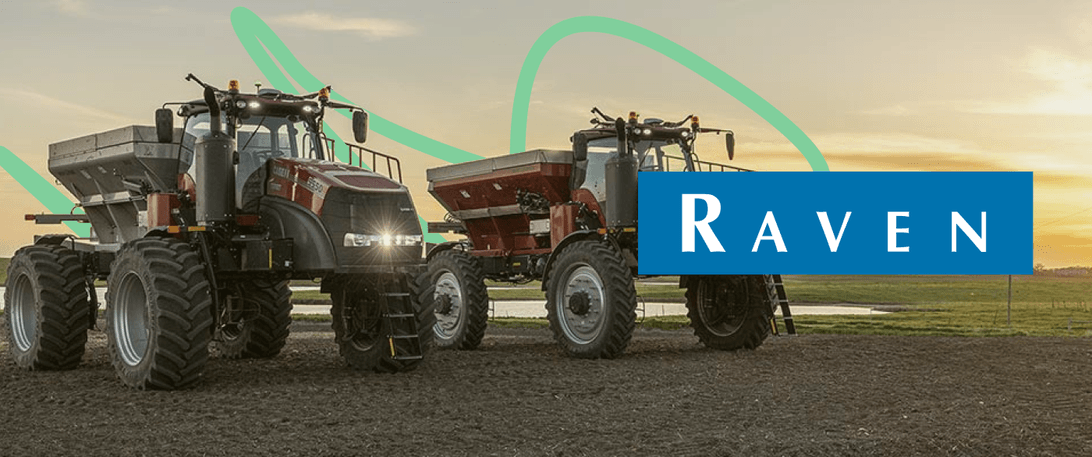
Using Umbraco Heartcore, Blend helped Raven Industries create a trade show application that allowed for easy editorial access while being completely internet-free under the trade show tent.

Blend redesigned the SD UJS site for clarity, accessibility, and ease of use, with Umbraco CMS, better content tools, and improved document handling.
Our thoughts and guidance on back-end development.
Before you dive into the world of back-end development, here's what's worth thinking through.

As a Platinum Partner and past Partner of the Year, we have a long track record of successful projects with Optimizely (formerly Episerver).
Learn More about Optimizely
As one of Umbraco's Platinum Partners, we have both consulted on and developed for Umbraco, the "Friendly" CMS.
Learn More about Umbraco
Blend is a Contentstack Solutions Partner, giving us the power of an industry-leading headless CMS to our offerings.
Learn More About ContentstackFrequently asked questions.
Do you only build on Optimizely and Umbraco?
We build primarily on Optimizely, Umbraco, and Contentstack — all .NET-based platforms. We're Platinum Partners with both Optimizely and Umbraco. That said, we've built on many other platforms and can advise on platform fit even if the recommendation lands outside our primary partnerships.
Can Blend build a site from another team's strategy and design?
Yes. We frequently take on development-only engagements. We'll review the strategic and design deliverables, flag anything that needs adjustment for technical feasibility or editorial usability, and build from there.
How do you handle quality assurance?
QA is built into our development process, not bolted on at the end. We test throughout — accessibility, performance, cross-browser compatibility, editorial workflow, and integration reliability. We also involve your team in user acceptance testing before launch.
What if our existing site needs updates, not a rebuild?
Our ongoing partnership plans cover exactly this — incremental development, new features, integrations, and optimization for existing sites. Many of our long-term clients are on sites we've been improving for years.
How long does a typical CMS implementation take?
For a mid-size site with a defined content model and approved design, typically three to five months from development kickoff to launch. Enterprise sites with complex integrations, multiple content types, and large-scale migration can take six to nine months. The strategic planning and design work that happens before development is what keeps the build timeline predictable.