Services
Discovery and Research — Before you build anything, understand what you're actually dealing with.
Skipping discovery doesn't save time. It just moves the rework to later.
The problem.
You've been given the green light for a website project. There's a budget, a rough timeline, and a lot of opinions about what the site should look like. But nobody's looked closely at what you already have, who your audiences actually are, or what's going to break when you skip straight to design.
Complex web projects involve more decisions than any team can make on instinct alone. Discovery gives you the evidence to make those decisions with confidence — and it gives your whole team a shared starting point.
The solution.
Most organizations have a general sense of what their website needs. The homepage feels dated. Navigation is confusing. Content is scattered across hundreds of pages that nobody owns.
But the gap between "we know something's wrong" and "we know exactly what to fix" is where projects stall, bloat, or miss the mark entirely. Discovery closes that gap. Every week you spend in discovery typically saves more time — and prevents more mistakes — during design and development. It turns gut feelings into documented findings, and it gives every decision that follows a foundation in evidence rather than assumption.
We'd love to talk.
Ready to talk through your project? We're ready to hear from you. Drop us a line.
Get In Touch
The discovery and research process.
We start by listening — to your stakeholders, to your users, and to the data your current site already provides. Then we build a clear picture of what exists, what's working, what's broken, and what's missing.
The process runs on two tracks in parallel. The first is understanding your site and your users — content inventories, audits, user research, competitive analysis. The second is defining the project — turning findings into audience definitions, site maps, content models, and structural prototypes the team can align around.
The output of discovery isn't a report that goes on a shelf. It's the foundation that every design decision, every content decision, and every technical decision builds on. Skip it, and you're guessing. Do it well, and everything that follows goes faster.
What can discovery and research include?
A documented understanding of your audiences, your content landscape, your competitive position, and your team's capacity — along with a defined project scope that the entire team has agreed to.
Understanding your site and your users
- Site inventory or representative audit
- Analytics review and performance benchmarking
- Initial performance and accessibility audits
- Competitive and contemporary analysis
- Stakeholder interviews and alignment workshops
- Card sorting and tree testing
- Prototype and usability testing
Defining the project
- Audience definitions and archetypes
- Site mapping and navigation planning
- Content and template modeling
- Taxonomy and labeling systems
- Wireframes and structural prototypes

User Experience Testing
The best time to find out your navigation doesn't work is before it's built. Usability testing, card sorting, tree testing, and prototype validation with real users catch problems early — when changing course is still straightforward and the decisions haven't been locked into code.
Web Strategy
Content strategy, information architecture, governance, and CMS planning — the strategic decisions that make complex web projects succeed.
User Experience Testing
Test your navigation, wireframes, and content with real users — before development locks decisions in.

Digital Platform Selection
Choose a CMS based on how your team works — not feature lists. Platform-experienced, vendor-neutral guidance for complex organizations.
Case Studies
A few discovery and research projects we're proud of.

Cherry Bekaert is one of the U.S.’s fastest-growing accounting and consulting firms, and Blend helped design and develop an Optimizely site to cut through the noise of sterile accounting competitors.
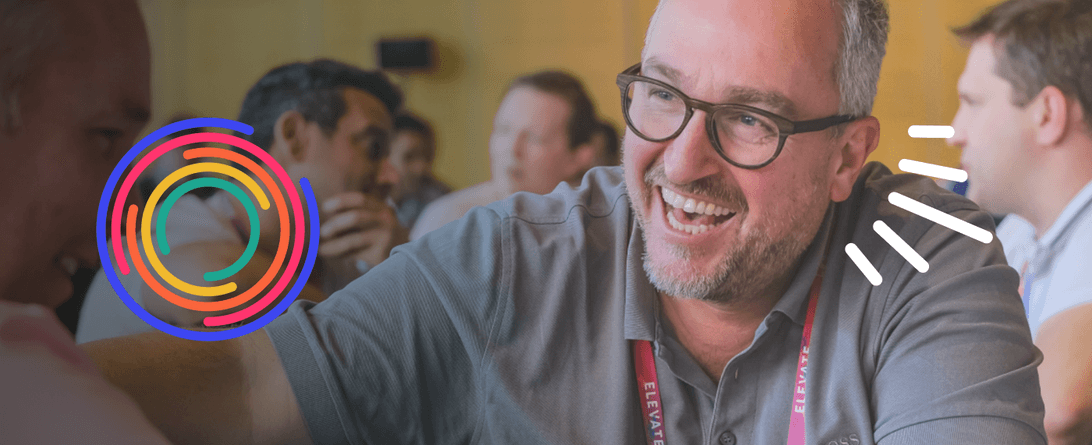
Bringing a startup mentality to a multi-tiered project, our work with Entrepreneurs' Organization was one of iteration, extensibility, and a great site built with Umbraco.

Icertis needed more than a new design — they needed a full design system, and they needed it built in a robust tool. Blend and Optimizely stepped up to help them out.
Our thoughts and guidance on discovery and research.
Before you dive into discovery and research, here's what's worth thinking through.
Frequently asked questions.
How long does discovery take?
Most discovery phases run four to eight weeks, depending on the size and complexity of the organization. A focused engagement for a mid-size site might take four weeks. An enterprise organization with multiple stakeholders and legacy content systems will need more time.
Do we need discovery if we already know what we want?
Usually, yes. What teams "know they want" is often a mix of real needs and inherited assumptions. Discovery validates the real needs and surfaces the things nobody's thought about yet — like content that doesn't have an owner, editorial workflows that don't match the proposed CMS, or audience segments the current site ignores entirely.
Can Blend do discovery for a project that another agency will build?
Absolutely. We deliver discovery and strategy work that any qualified development team can execute. The deliverables are documented, structured, and designed to hand off cleanly.
What's the difference between discovery and strategy?
Discovery is about understanding what you have and what you're dealing with. Strategy is about deciding what to do about it. In practice, they overlap — discovery findings feed directly into decisions about content structure, platform selection, and project scope. We often do both in a single engagement.