The latest exploits showed how one trusted script can expose thousands of sites. The fix, Content Security Policy, has existed for years. It's time for marketing, IT and vendors to take it seriously.
November 2026 was a rough month in the information security space. We saw multiple outages and high profile exploits that affected a lot of major sites, including a lot of brands with great track records that we would assume are “too big to fail”.
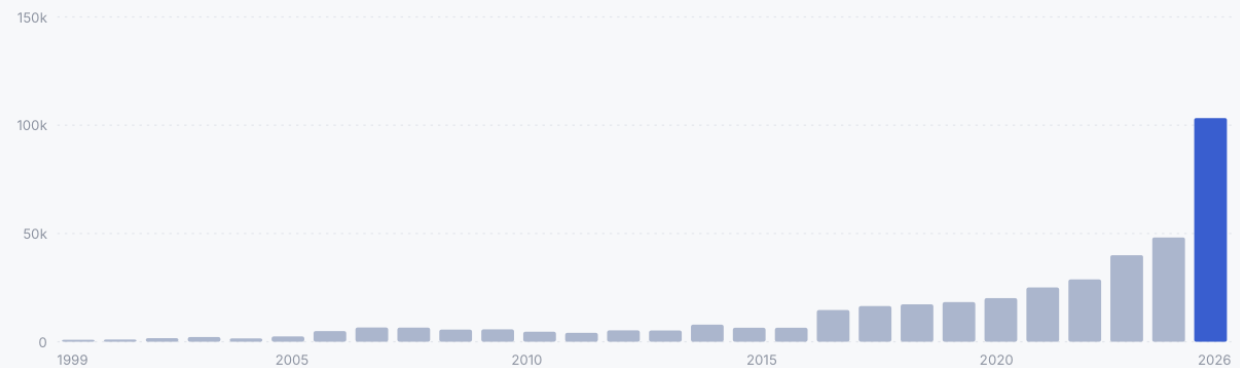
What’s behind this? Unfortunately the speed and efficiency gains we’ve seen with AI-assisted coding also applies to AI-assisted hacking. The Common Vulnerabilities and Exposures database has grown every year for the last decade, but the number of vulnerabilities logged in 2026 is actually more than twice what was logged in 2025, and we’re not even done with the year yet. If nothing feels safe right now in IT, that’s because it’s not.
One of the more concerning breaches involved Optimizely Web Experimentation. Like many marketing services, Opti Web Experimentation helps marketers by running code on their website. That code is delivered via a script tag that you add to your site, which delivers the code to your page.
This is very convenient. I can make a small change to my site by adding this script, and then Opti can deliver their code and even make updates over time without me needing to do anything else. Unfortunately what happened was that an attacker was able to add their own code to Opti’s delivery system, which then allowed them to add their own script tag and deliver exploit code to thousands of sites that use the tool, including many major brands. Opti responded quickly, but any exposure is both an IT security risk and a PR mess to clean up.
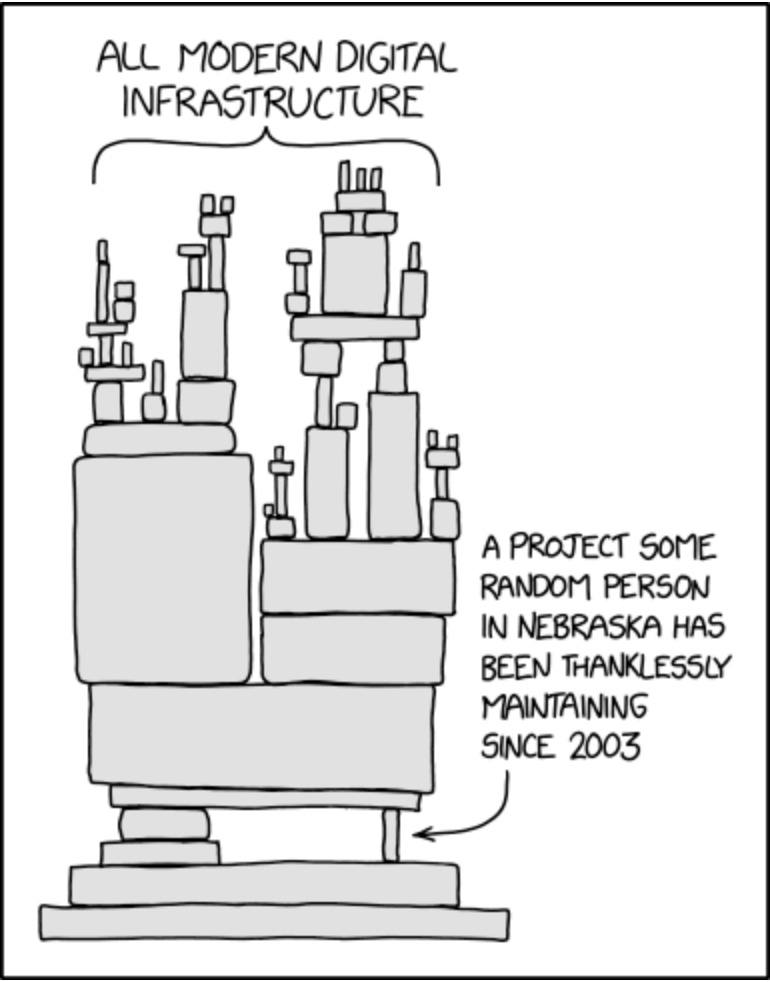
The challenge with the modern web is that a rich digital experience is built on lots of small pieces working together. The Opti code in question was a small component in how many brands delivered their site. That code, in turn, incorporates a lot of pieces from more foundational projects. Every site can probably identify dozens or even hundreds of these independent code projects in their page. Unless these dependencies are managed properly, any one of them can become an attack vector.